Habonim Dror participates in Hakhel conference

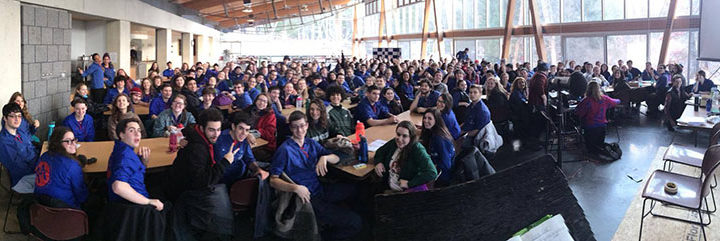
Habonim Dror North America, Habonim Dror Australia, Habonim Dror New Zealand, and Hashomer Hatzayir North America members gathered at the annual Hakhel conference.

HDNA members from our communities in Philadelphia, Manhattan, and Brooklyn gathered with other Jews creating intentional communities at the annual Hakhel conference — including many of our Habo friends from Australia and New Zealand, and our partners from Hashomer Hatzair!

Continue reading

Winter Camp 2018


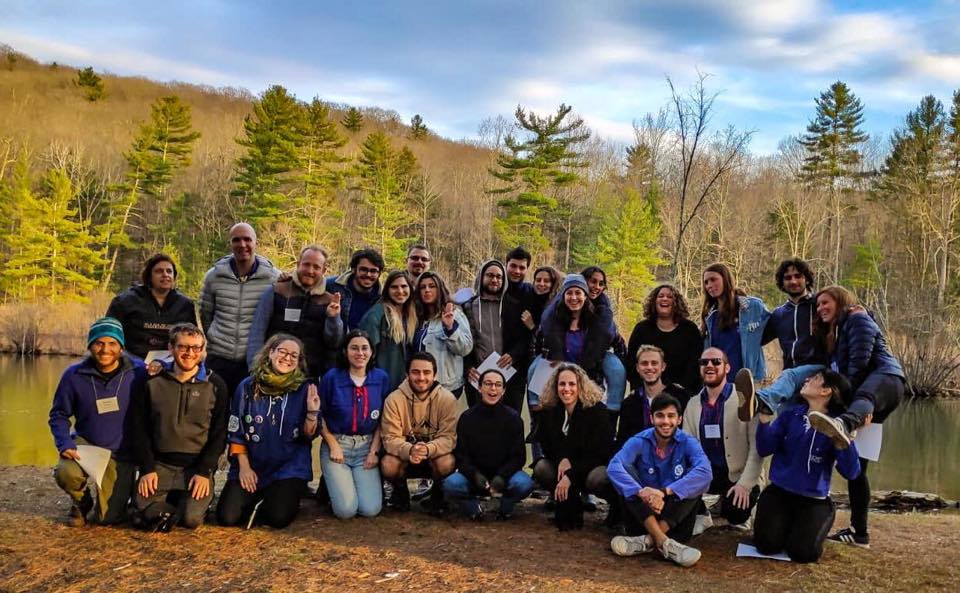
Each year, Winter Camp is Habonim Dror North America’s biggest gathering, filled with education and fun. This year, all movement members in 10th grade and older are invited. Come and join us!
Click HERE to REGISTER TODAY for Winter Camp 2018!
Click HERE to APPLY FOR SCHOLARSHIP!
HDNA Winter Camp is a time to gather, discuss, and have fun with your friends from Habonim Dror! You will go through a collaborative educational process, meet with your national kvutza, prepare for the summer at machaneh, and take action on pressing issues in the movement and in society. We’ll do it all through the most creative learning methods, incorporating fun and magic into each day.
WHAT: Winter Camp 2018
WHO: HDNA members 10th grade and older
WHEN: Dec. 26-31, 2018
WHERE: Poconos Environmental Education Center, Dingman’s Ferry, Pennsylvania
COST: $450 USD for Americans, $350 USD for Canadians, with scholarship available: http://bit.ly/WinterCampScholarship
Bonimot Tzedek @ Winter Camp 2018
For high school participants, Winter Camp includes our annual Bonimot Tzedek National Seminar. Bonimot Tzedek (Building Justice) is HDNA’s social justice and Jewish leadership program for high schoolers. High school HDNA leaders from around North America will gather to learn the ins and outs of social change, and decide together how to shape their local and movement-wide activism.
What can you expect each day at Winter Camp 2018?

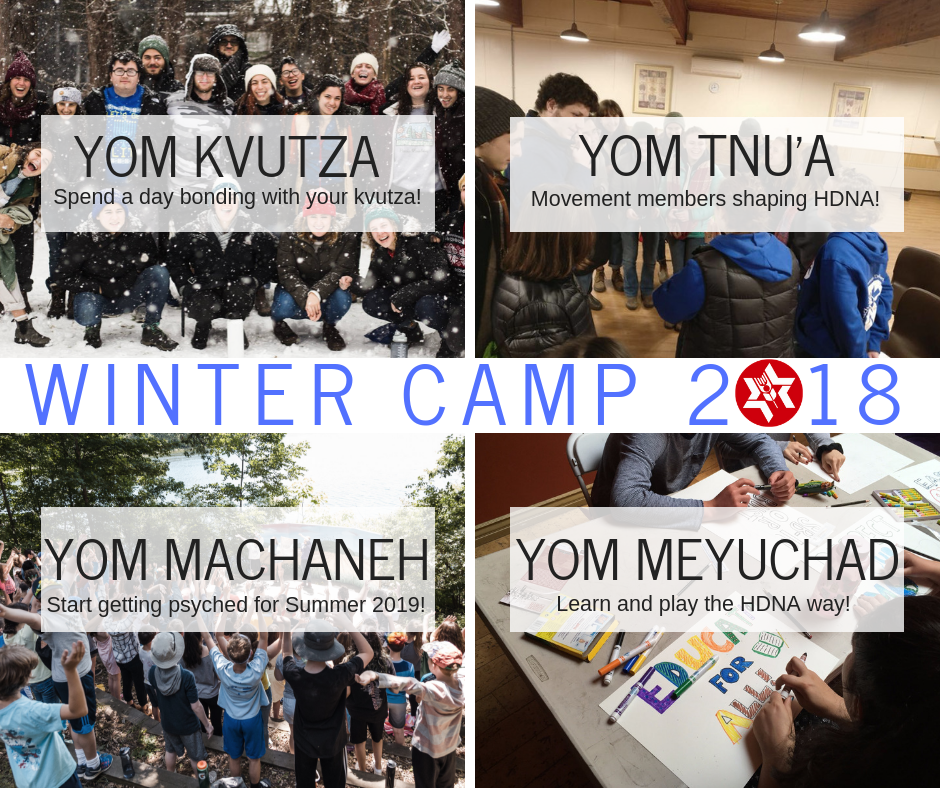
Each day of Winter Camp has a special focus! We start with a day learning and bonding with our kvutzot (age groups). Then, we learn and play together during a themed Yom Meyuchad (Special Day), full of games, skits, and new knowledge! Yom Tnu’a gives us a chance to come together as movement members for a day of discussion and democracy. And during Yom Machaneh, we decide how we want to bring it all home to machaneh this summer!

Through it all, we’ll pause for games and check-ins, and of course plenty of meaningful HDNA-style Shabbat activities, like a collaborative oneg and a night of rikkud ayam!
Join us! Sign up here: http://bit.ly/WinterCampRegister


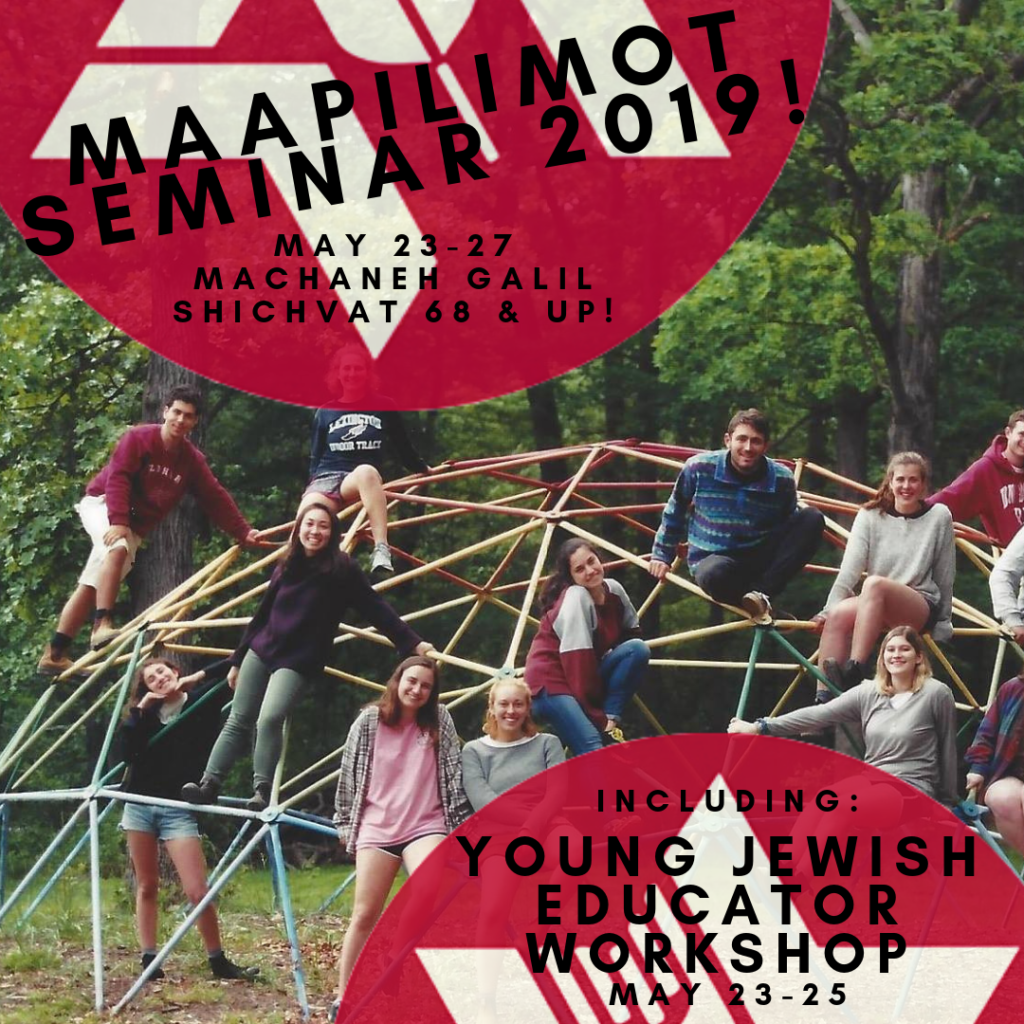
Maapilimot Seminar 2019

Maapilimot Seminar 2019 is over.


Maapilimot Seminar 2019 will be on May 23-27.

  • You can apply for scholarship for Maapilimot Seminar HERE. There is still scholarship available!
  • You can register for Maapilimot Seminar HERE. Please do so ASAP to ensure funds and space remain available.


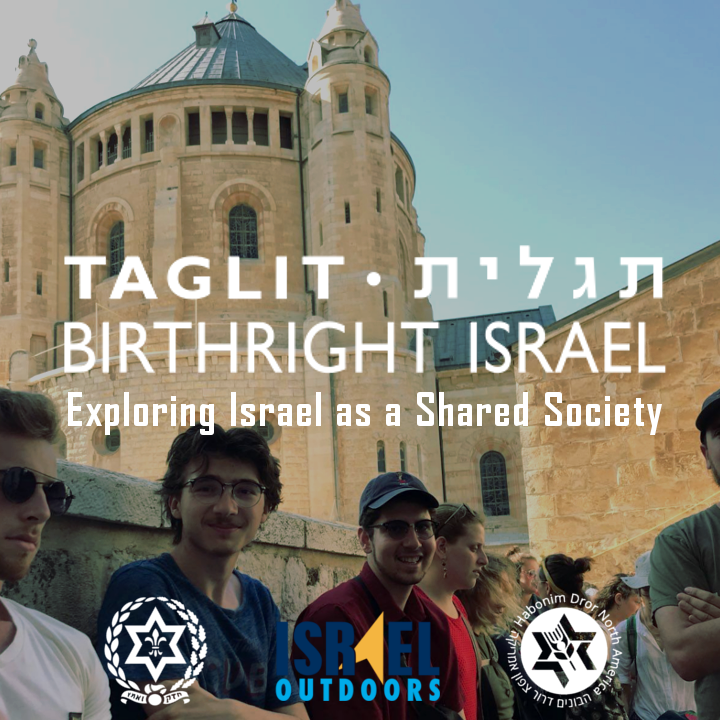
Birthright Israel

Habonim-Hashomer Birthright is a 10-day program in Israel for individuals aged 18-25. Explore your connection to Israel as a shared society and engage with peers working towards a more just, equal, and democratic Israeli state. It is completely free and spaces fill up quickly! 


Gedaliah Who?

by Eitan Tako

During the Ten Days of Repentance, right after Rosh HaShana and before Yom Kippur, hides a fast that marks an occasion from 2,500 years ago.

This is the fast of Gedaliah.

Continue reading

Symbolism

by Jeremy Oziel

Symbols are a huge part of any Jewish holiday. Symbols are what remind us why a holiday is important and why we choose to celebrate it. Symbols help us to find meaning in our practice and belief. They can also inform how we celebrate different holidays. In many cases, symbols from the holidays remind us of the time we spend with our families. On a simple level, symbols are also a very practical way to pass down traditions. Children learn easily through symbols, especially through those that are food related. These are the ones I like the most. For instance, most of us can remember when we learned that Rosh haShana was about turning the page on the old year and looking forward to a sweet new one — through eating apples and honey. You may not have even been old enough to understand why there was another new year that came on January 1st, but you associated the beginning of school and the high holidays with the taste of apples and honey.

Continue reading